What Industries Commonly Use Satellite Phones?
What Industries Commonly Use Satellite Phones?
What Industries Commonly Use Satellite Phones?

The crew had been out there since sunrise. A remote utility project, miles from the nearest paved road, let alone a town. No cell service. No radio network. Just rugged terrain, heavy equipment, and a job that had to get done. Then it happened.
Man down. Hard. Nobody saw the exact cause, only the result. Someone checked their phone. No bars. Another tried the radio. Nothing but static. The nearest help was far away, and time was suddenly the one thing they did not have.
In moments like this, communication is not a convenience. It is the difference between getting help quickly and not getting help at all. This is where satellite phones and satellite phone rentals come into play.
Most people do not use satellite phones daily. They are not pulled out to make casual calls or quick check-ins. They are for use in situations like the one above. Satellite phones offer a direct line of communication when traditional communication networks fail or are unavailable.
This blog explores why satellite phones and satellite phone rentals matter, how they differ from other communication tools, and what industries commonly use satellite phones. It will also explain why choosing the right provider is just as important as choosing the phone itself.
Why Satellite Phones Are So Valuable
Most communication systems depend on infrastructure. Cell phones rely on towers. Two-way radios rely on local networks and repeaters. VOIP depends on internet access. Landlines depend on physical connections that can be damaged, overloaded, or simply unavailable.
Satellite phones operate outside all of that. They connect directly to satellites above the Earth. That connection does not care how remote the location is or how rough the terrain becomes. If there is a clear view of the sky, there is a strong chance the call goes through. That independence is what makes satellite phones so valuable.
Reliable Voice Communication When It Matters Most
In essence, satellite phones are effective for voice communication where other systems cannot reach. This includes deserts, mountains, offshore areas, forests, and disaster areas.
Voice communication is not only convenient for businesses in remote or high-risk locations. It is about clarity. A live voice allows teams to clarify things on the spot, ask follow-up questions, and receive immediate instructions. In emergencies, that matters. Voice communication enables faster decision-making and better outcomes when conditions change rapidly.
Satellite phones also reduce guesswork. Teams can communicate directly with supervisors, emergency services, or support teams to get a complete picture of the situation, rather than receiving delayed messages or partial information.
Data Capabilities Beyond Voice Calls
Modern satellite phones are not only voice phones. Most also support data sharing, including text messages, GPS location data, and basic IP communication.
This feature provides additional layers of protection. GPS tracking helps managers locate crews. Data also provides an additional communication channel via text messaging if voice fails. Reporting, check-ins, and field situational updates are all supported by data connectivity.
For businesses with multiple remote teams, this information enhances visibility and accountability. It also enables a quicker response in emergencies or sudden changes in circumstances.
Although the satellite data speeds are not intended for heavy internet usage, they are more than adequate for critical operational requirements. Even limited data access can be a significant benefit in remote settings.
Together, voice and data capabilities make satellite phones a powerful tool for businesses that cannot afford communication gaps. And that brings us to who uses them.
Industries That Depend on Satellite Phones
Satellite phones are used across many industries, particularly those that operate far beyond traditional communication coverage. In some cases, they are used daily. In others, they serve as a critical backup. In all cases, they provide peace of mind.
Backcountry Construction and Utility Workers
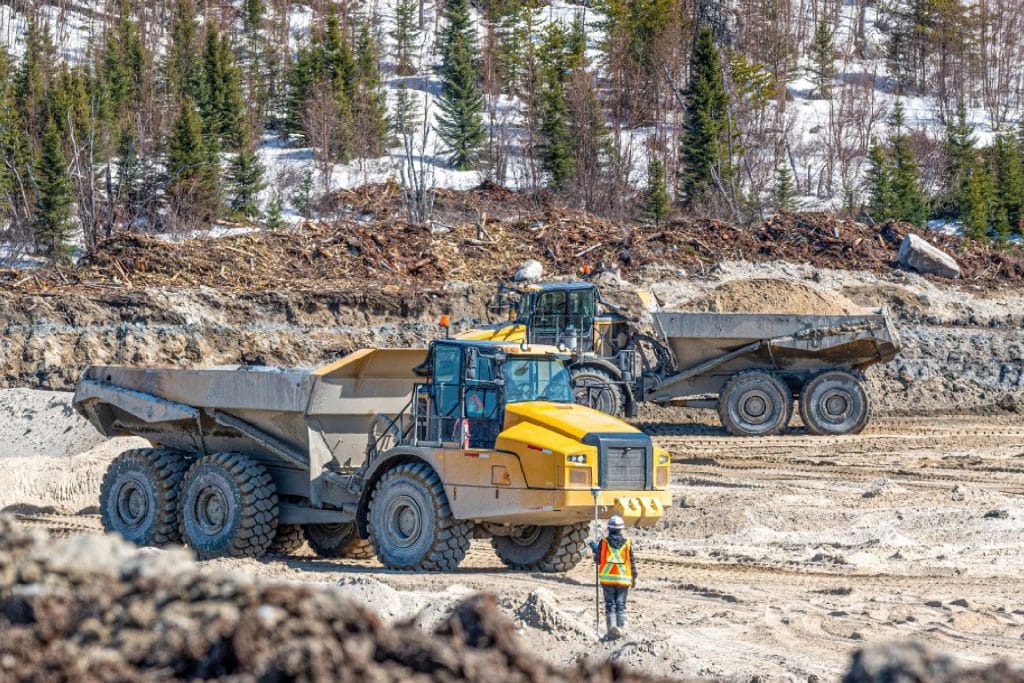
Construction and utility crews frequently work in isolated locations to build, repair, or maintain infrastructure. Power lines, pipelines, and communication systems often run long distances well outside populated areas.
These crews are connected with dispatch, engineering teams, and emergency services through satellite phones. In case of an accident or equipment failure, assistance may be sought at any given time. It is also easier to make even routine updates when the gaps in coverage do not restrict crews.
For these teams, satellite phones and satellite phone rentals are often considered essential safety equipment.
Emergency Response and Search and Rescue
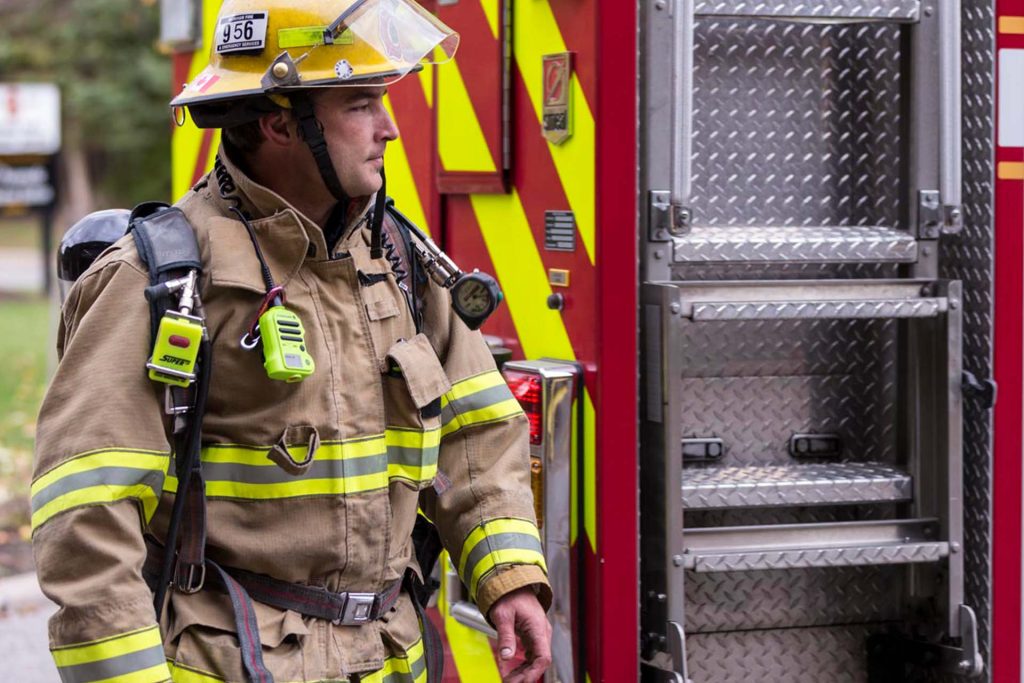
Emergency response teams go where others cannot. Natural disasters, wilderness rescues, and large-scale emergencies often occur in areas with damaged or nonexistent communication infrastructure.
Satellite phones also enable responders to coordinate their activities, order resources, and stay in touch with command centres. Location sharing and real-time updates can literally save lives during search and rescue missions.
In situations where time is of the essence, communication cannot be compromised.
Environmental Researchers and Surveyors
Scientists and researchers often conduct studies in remote ecosystems, observing land, wildlife, and the environment. These projects may take weeks or months and be located in remote areas with no towns or roads.
The satellite phones enable researchers to report findings, coordinate logistics, and conduct frequent safety check-ins. In case something goes wrong or there is an emergency, they have a reliable way to access help.
Forestry and Wildfire Personnel
Forestry crews and wildfire teams work in harsh conditions with limited or overloaded communication networks. Infrastructure can also be destroyed quickly by fires, disrupting traditional communication channels.
Satellite phones are an effective means of communication in coordinating response efforts, reporting fire behavior, and ensuring crew safety. When the situation changes rapidly, it is vital to have direct contact with the decision-makers.
Satellite phone rentals enable wildfire and forestry teams to add additional equipment during emergencies. These phones arrive pre-programmed to their existing equipment and ready to talk. Satellite phones are a life-saving part of any wildfire operation.
Mining and Exploration Teams
Mining and exploration work often takes place in isolated regions with little infrastructure. Teams may operate underground (with DAS and surface antennas), in open-pit mines, or in remote exploration zones.
Satellite phones enable coordination between field teams and headquarters and support emergency communication during incidents. They also help companies maintain consistent contact with workers who are far from standard networks. For mining operations, satellite communication supports both safety and productivity.
Remote Oil and Gas Crews
Oil and gas activities are often offshore or in remote onshore areas. These conditions pose substantial risks and logistical challenges.
The satellite phones enable crews to communicate with control centres, coordinate operations, and respond to emergencies. They are also a good backup when other systems cannot operate due to weather, equipment failure, or distance.
Redundancy in communication is necessary in high-risk industries such as oil and gas.
Wilderness Guides and Seasonal Outfitters
Guides and outfitters lead clients into remote wilderness areas for recreation, education, and adventure. These trips often occur far from cell service and emergency services.
Satellite phones allow guides to check in regularly, coordinate logistics, and request help if a client is injured or conditions become unsafe. They also provide reassurance to both staff and clients. For seasonal operations, satellite phone rentals are often a practical and cost-effective solution.
With so many industries relying on satellite phones, the next question becomes where to get them.
Why Your Satellite Phone Provider Matters
Not all satellite phone providers are created equal. The quality of the equipment, the reliability of the network, and the level of support all matter. When communication is critical, there is no room for uncertainty.
A trusted provider helps businesses choose the right devices, plans, and accessories for their specific needs. They understand coverage requirements, usage patterns, and operational challenges.
Prairie Mobile Communications stands out as a reliable source for satellite phones and satellite phone rentals. Their experience supporting mission-critical communication solutions demonstrates their understanding of the challenges businesses face in the field.
Whether a company needs a long-term deployment or short-term rentals for a specific project, Prairie Mobile engineers help ensure the right solution is in place. That support does not stop at the sale. It extends through setup, training, and ongoing service.
When communication impacts safety, productivity, and outcomes, having the right partner matters.
Partner With Prairie Mobile for Your Satellite Phone Needs
Prairie Mobile Communications has been supporting Canada’s remote workers and organizations for nearly 60 years. Prairie Mobile knows how to integrate satellite, two-way radio, and wireless systems into a communication strategy that works seamlessly, no matter where the job takes you.
From traditional two-way radios to advanced communication systems, Prairie Mobile provides solutions throughout British Columbia, Alberta, Saskatchewan, Manitoba, and Ontario, always focused on supporting our customers and growing alongside their needs.
Partner With PMC Today!